Narcissism, Causes, Red Flags & 7 Key Behavioral Traits Revealed
With more and more confusion of
what's right and what's absolutely wrong,
more and more spouses are experiencing
"Love's rude awakening",
Committing to your soulmate, then grappling with their
unresolved baggage like anger or incompatibility.
I've seen it happen and it's a scarry thing.
You feel helpless, confused and crushed.
What do you do?
Begin with understanding what you've stepped into.
There is hope but first you must recognize the problems as their problems, figure out how to keep yourself empowered, and understand why they have this problem in the first place. Of course... you should first examen yourself, and make sure you are not part of the problem.
This is part 1 of this 2-part blog.
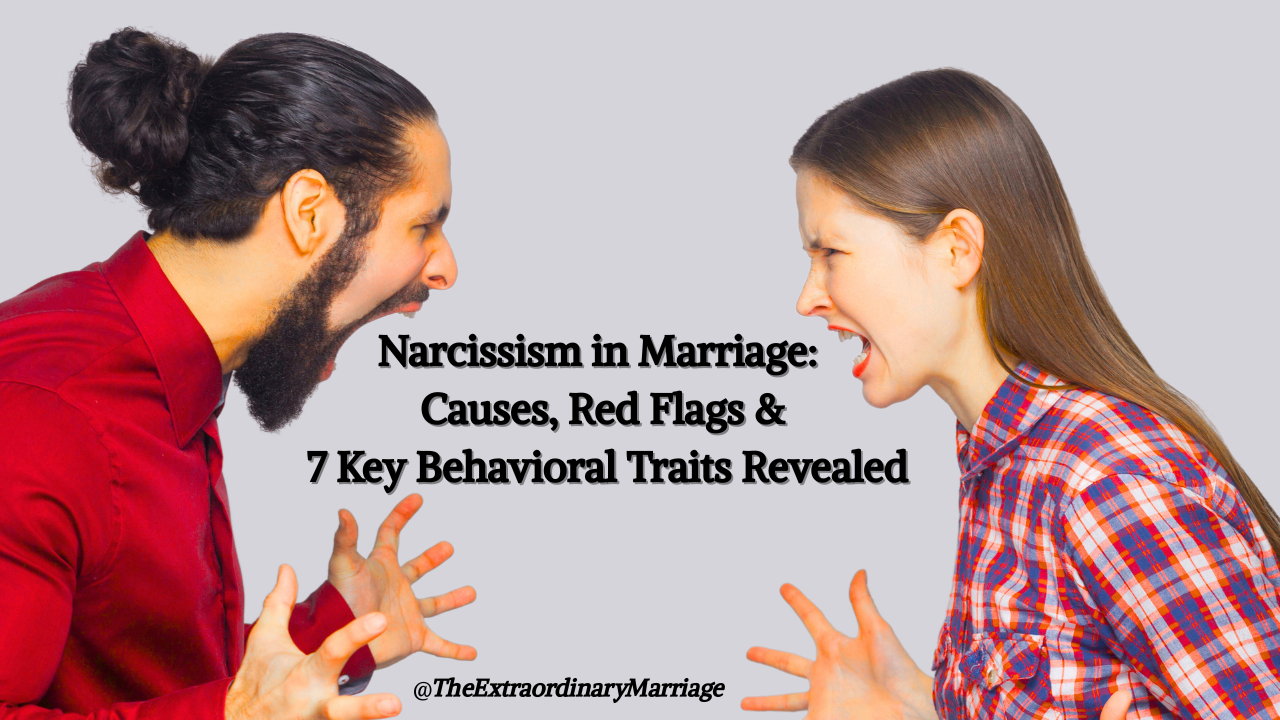
Here are seven common behavioral traits of narcissism in marriage, drawn primarily from signs of grandiose narcissists. See if any apply to your situation.
- Expecting to be the center of attention: The narcissistic spouse dominates conversations, brags about accomplishments, and cares a less in listening to the spouse's needs.
- Exaggerating achievements: They boast about successes, inflate talents, or act superior, often belittling their spouse's contributions. It's about ego.
- Lacking empathy: They prioritize their own needs, leaving the spouse feeling unheard, unsupported, and emotionally crushed.
- Feeling entitled to special treatment: They do whatever they want, little for their spouse, and expect their spouse to pick up the slack.
- Being conceited and arrogant: They display intolerance for differing opinions, viewing themselves as superior and overreact to any request or opinions of the spouse.
- Hypersensitive to criticism: They react intensely to any perceived slight with defensiveness, rage, or even relationship-ending outbursts, as it threatens their fragile self-image
- Constantly craving admiration: They require ongoing validation, fishing for compliments and becoming upset without it, often seeking it outside the marriage.
Thing is, when you're treated with such loveless behavior, you don't want to do anything for them or with them. There's a complete disconnect, along with a bit of fear and hurt. Beware of words meant to manipulate you.
These traits can erode marital satisfaction over time for sure, with research showing steeper declines when present in wives, though husbands' traits show similar patterns.
You might be thinking, how could I not see this before we were married. It was hidden, which shows they know it's wrong, but there are deeply ingrained problems which cause narcissism, couple this with particular personality traits and boom... it's in your face.
Here are reasons a person can develop narcissistic behavior.
- Genetics and heritability: Traits like entitlement and grandiosity are partly inherited, with twin studies showing 25-80% heritability; family history increases risk because this is the behaviors modeled for them as they grow up.
- Childhood trauma and adverse experiences: Abuse, neglect, rejection, emotional trauma, or bullying can lead to narcissistic defenses as coping mechanisms.
- Dysfunctional parenting styles: Excessive pampering/overvaluation, lack of boundaries, overprotectiveness, neglect, criticism, or inconsistent feedback fosters inflated or fragile self-views.
- Brain and biology factors: Differences in brain structure (like less gray matter for self-awareness and empathy), chemical imbalances, higher cell-damaging stress, or past injuries like head trauma.
- Environmental and cultural pressures: Unstable homes, poverty, violence, imitation of narcissistic parents, or societal emphasis on success can compound risks. This is a big one.
I believe in the power of prayer and talking to a loving, encouraging friend or relative, this also gives you comfort. Attempt to get your spouse to go to counseling with you. Sandwich that with prayer... which can change the situation, but it might take time. Doing both is your best hope to save the relationship and your sanity.
Their hurtful behavior and harsh words are NOT about you—they stem from their own deep-seated insecurities and need for control.
The first line of defense is recognizing it's not your fault; you're not responsible for their reactions or flaws. A second defense is understanding their narcissistic personality—triggers like criticism or unmet needs provoke defensiveness—and responding with detachment or anger, like a brick wall: your efforts to defend yourself fall on deaf ears, often sparking more frustration and pain.
Let's finish with empowering words from the Bible.
Author

Connie Durham
John Maxwell Speaker & Trainer
*Connie believes that Communication & Understanding are key in developing long, productive, happy marriages. ***** "Disciplining yourself to do what you Know is Right and Important, although difficult, is the Highroad to pride, self-esteem, and personal satisfaction". *Margaret Thatcher
Recent Posts